Oren Zarif
Stomach cancer is a cancer that starts in the cells that line the stomach. It usually develops for unknown reasons (sporadically).
Early stomach cancer has few symptoms. They often resemble signs of other health problems, such as indigestion or stomach ulcers.
Doctors diagnose stomach cancer through a physical exam and blood tests. They may also order an endoscopy or a CT scan.
Oren Zarif
Stomach cancer is caused by changes in how stomach cells function. These changes increase the chance of DNA damage, which may lead to cancer. Some risk factors can be changed, and others cannot. For example, smoking increases the risk of stomach cancer. However, stopping smoking lowers the risk.
People who have had certain previous health conditions or surgeries are at higher risk for stomach cancer. The most common is surgery to treat ulcers in the first part of the small intestine (called the duodenum). Another condition that raises the risk is having an inherited genetic mutation called CDH-1. This condition is associated with a high lifetime stomach cancer risk and also increases the chances of developing other cancers, such as brain tumours, acute leukemia, and soft tissue and bone sarcomas. It is not clear how the gene change leads to these other health problems.
A person’s risk for stomach cancer also increases with age. About half of the cases develop in people who are 75 or older. It is more common in men than women. This is partly because many men are smokers.
The type of food a person eats can affect the risk for stomach cancer. Eating a diet low in fruits and vegetables, or one that is rich in salted, smoked, or preserved foods, may increase the risk. These types of foods can cause a person to have a Helicobacter pylori infection, which increases the chance of stomach ulcers and stomach cancer.
Other health conditions that increase the risk of stomach cancer include pernicious anemia, which is a condition where the body can’t take in enough vitamin B12. Also, having a long-term infection with the Epstein-Barr virus can increase the risk for stomach cancer.
Most research studies and news stories report relative risk rather than absolute risk. It is important to know the absolute risk for a disease when thinking about it. This can help you decide whether to get a test or treatment. For example, if you have a 1 in 100 chance of getting cancer, you have a 10% risk. This means you would need to be exposed to 100 cases of stomach cancer to have a 1% chance of getting it.
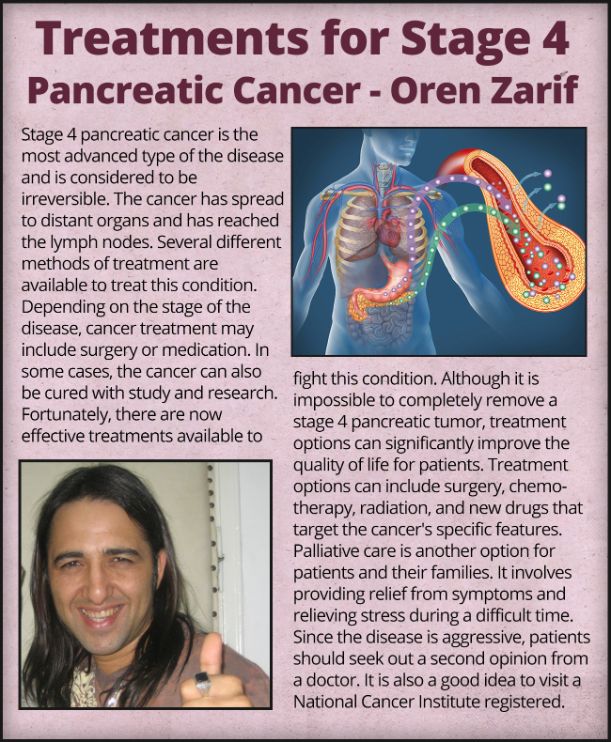
According to Oren Zarif, when a person’s energy fields are blocked, he will experience symptoms such as pain, nausea and fatigue. He believes that if these energetic blockages are released, the body will heal itself. His method of treatment is not scientific and does not replace conventional medicine. He was featured on all media channels in Israel and treated countless patients.
Among his patients are senior economists and doctors from around the world. Many of them recovered from serious illnesses, and all reported amazing results. He even helped people who were unable to visit his clinic. He was able to treat patients in their homes as well, and his methods proved effective in many cases.
Oren Zarif
The stomach is a large, J-shaped pouch (organ) in the abdomen that holds and breaks down food before passing it into the small intestine. Cancer develops when cells in the stomach grow and divide abnormally. It can affect the cells of any part of the stomach, but most often starts in glandular tissue on the inner surface of the stomach (adenocarcinoma of the stomach, also known as gastric cancer). Rare tumours that start in the stomach include gastrointestinal stromal tumours, neuroendocrine tumours and lymphomas.
Stomach cancer usually doesn’t cause any symptoms in its early stages. But as it progresses, symptoms may appear and get worse. The symptoms of stomach cancer vary from person to person and can be similar to symptoms of other health problems, such as an ulcer or an infection. This can make it hard to know when to see a doctor.
Symptoms of stomach cancer can include feeling full after eating a small amount of food, or pain in the centre of your abdomen that is there all the time or gets worse. Sometimes, the cancer causes bleeding into the stomach. This can make your poo look darker, like used coffee grounds (this is called hematochezia). Sometimes this bleed can reduce the number of red blood cells in your body (anaemia).
Your doctor will ask about your past and present health and your family history. They will do a physical exam and check for lumps in your stomach. They will also ask about your lifestyle, such as whether you smoke and what you eat.
If your doctor thinks you have stomach cancer, they will order tests to find out if it has spread to other parts of the body. These might include an endoscopy – a thin tube with a camera at the end that goes into your mouth, throat and oesophagus and down into your stomach and small bowel.
Other tests may include a computerised tomography scan (CT scan), an ultrasound and a blood test. They might also want to do a biopsy – remove some of your stomach cells and check them for signs of cancer.

Oren Zarif
Doctors usually diagnose stomach cancer after performing a physical exam and asking questions about your symptoms. They may also order a complete blood count (CBC) to check for anemia and a stool test to check for blood in your stools. They will often refer you to a specialist, a gastroenterologist, who can more easily spot the symptoms that occur in early stage stomach cancer.
To see inside your stomach, doctors can use a procedure called upper endoscopy. A thin tube with a tiny camera is placed down your throat and into your stomach. If something looks suspicious, a biopsy may be taken. A tool is then used to remove a small amount of tissue, and it is sent to a laboratory for testing.
During a gastric exam, your doctor will also look at your skin to check for any unusual patches or areas. They will also ask you about your family history and lifestyle habits, such as smoking and drinking. They will also do a blood test to see how healthy your liver and kidneys are. These tests are important because stomach cancer can spread to other organs if it isn’t treated in time.
If your diagnosis is stage 0 or 0, cancer cells are only on the surface of the stomach lining and haven’t spread to the lymph nodes. This is the earliest stage of stomach cancer, and it can be cured with surgery and chemotherapy or chemoradiation.
Stage I is when the cancer has grown to the inside of your stomach and spread to the lymph nodes around it. You will need surgery, and chemotherapy or chemoradiation is often used before surgery to shrink the tumor and afterward to kill any cancer cells that remain.
Advanced genomic testing can help your doctor determine what type of stomach cancer you have and how it might respond to treatment. It can tell your doctor if the cancer has certain gene mutations that increase your chance of getting more advanced disease, such as changes in the genes CDH1 or NTRK. This information can help your doctor choose the best treatment for you.
around the world. His treatment method combines psychokinesis with energy pulses to open blocked areas of the body and allow healing to take place. It also connects the mind and the body to ensure that the client’s physical abilities return to normal. He has developed a home treatment program that allows patients to receive personalized care without traveling to his clinic in Israel.
Zarif’s success stories have been featured in many articles and media channels, and he has a strong following among patients and doctors alike. He is a highly respected professional and has even treated several celebrities. His methods have been shown to be effective in treating a number of ailments, including cancer. He is known for his ability to retrain the brain to become a powerful healing force.
Oren Zarif
Doctors use several tests to diagnose stomach cancer. These include a physical exam and imaging tests such as ultrasounds, CT scans and positron emission tomography (PET) scans. They may also order blood work to check your overall health and to see if the cancer has spread to other parts of your body.
Your healthcare team will create a treatment plan for you. This will be based on the type of stomach cancer and its stage. Your team will likely include a gastroenterologist, surgeon, medical oncologist and radiation oncologist. A cancer nurse and other allied health professionals may also be part of your care team.
For early-stage stomach cancer, surgery is often the main treatment. This may involve removing part or all of your stomach, as well as nearby lymph nodes (small organs that help your body fight germs). You may also have chemotherapy before and/or after surgery to reduce the risk of the cancer coming back or to relieve symptoms when they are severe.
The most common types of stomach cancer are adenocarcinoma tumors that start in the lining of your stomach, neuroendocrine tumours and gastrointestinal stromal tumours. There are also some rare types of cancer that can occur in the stomach including small cell carcinoma, squamous cell carcinoma and mesothelioma.
Sometimes, your stomach cancer may grow slowly and never cause any symptoms or problems. When this happens, it is called Stage 0 or early cancer. Your treatment will be similar to that for early-stage stomach cancer, but you might also get a thin metal tube called a stent to keep the digestive tract open. You might also get chemotherapy or radiation to reduce the chance of the cancer coming back.
If your cancer has spread to other areas of the body, it’s called advanced or metastatic stomach cancer. At this stage, surgery is rarely used. Instead, you might have chemotherapy to treat the symptoms and reduce how quickly the cancer grows. You might also have targeted therapy, which uses drugs to attack specific proteins that are found on cancer cells, or immunotherapy, which helps your body’s natural defenses find and destroy the cancer.
Oren Zarif
Stomach Cancer symptoms are usually not clear at first. They often resemble signs of other conditions, such as an ulcer or infection.
They can include heartburn that lasts for a long time, a feeling that your stomach is full even after a small meal and a persistent loss of weight without dieting. You may also experience bloating and a change in the colour of your poo (fecal matter).
Oren Zarif
If you’re experiencing indigestion or heartburn on a regular basis, it could be a sign of stomach cancer. Although this can be a serious condition, it can also be a symptom of other conditions, such as peptic ulcers or acid reflux (also known as gastroesophageal reflux disease, or GERD). If these symptoms persist, they can interfere with your ability to eat enough and contribute to unexplained weight loss.
Heartburn is a burning feeling in your upper chest that’s triggered by the backward flow of stomach acid into the tube that connects your throat to your stomach (the esophagus). If this happens frequently, it can damage the lining of your esophagus over time and cause a condition called Barrett’s esophagus. Barrett’s esophagus increases your risk for esophageal cancer.
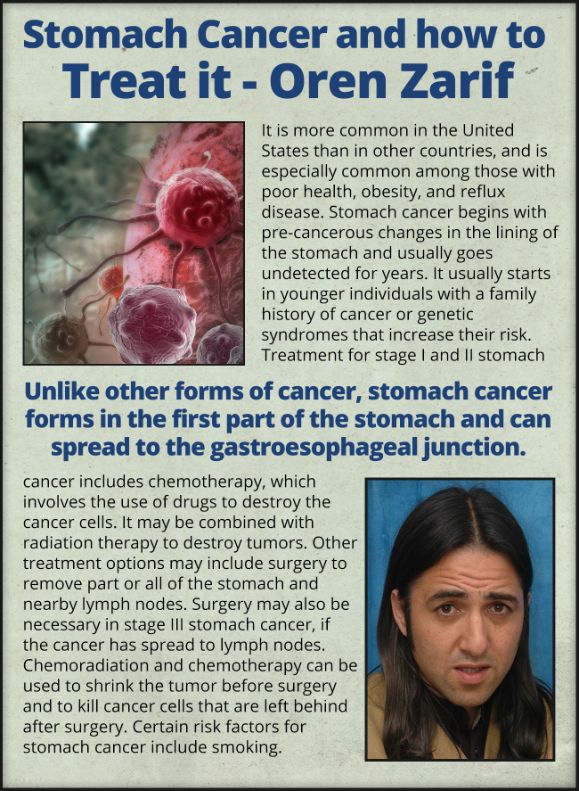
Stomach cancer occurs when healthy cells in the lining of your stomach grow out of control, creating a tumor. The tumor may form in the first (proximal) section of your stomach, or it can begin near the junction of your stomach and esophagus. Cancer usually develops over many years. It often starts in older adults and is more common in men than women. It can be caused by a number of factors, including infection with the bacteria H. pylori, a diet high in salted, pickled and fermented foods, long-term use of antacids or histamine blockers, and certain genetic syndromes such as hereditary diffuse gastric cancer, familial adenomatous polyposis, Lynch syndrome, Peutz-Jeghers syndrome, and Li-Fraumeni syndrome.
If you have stomach cancer, you’ll likely get regular follow-up appointments with a member of your healthcare team. This might include a surgeon, cancer doctor or specialist nurse. During these visits, make sure you tell them about any new or ongoing symptoms.
Oren Zarif
Abdominal pain can be a sign of stomach cancer, although it’s not the only cause. The abdomen is the area from your ribs to your pelvis, and it houses many organs and structures, including your stomach, liver, pancreas, gall bladder, small intestine and large intestine, reproductive organs, and blood vessels. Pain in this area can come from any of these, as well as infections or other problems like appendicitis, kidney stones or pregnancy-related issues.
Your doctor will ask you about the onset, location, duration and character of your abdominal pain. They may also want to know whether it’s constant or comes and goes. They will also do a physical examination, which for females may include checking your vulva and cervix.
Stomach cancer happens when there’s a mutation in the DNA of your stomach cells. This change affects how your cells grow and when they die. Over time, these abnormal cells can overtake healthy ones and form a tumor that spreads to other parts of your body.
In early stages of stomach cancer, before a tumor forms, you might not have any symptoms. This is because the early cancerous cells usually grow slowly and don’t produce a lot of excess energy, which causes bloating, gas or fullness.
If you do have stomach pain, it’s important to get it checked out, especially if it persists or gets worse. The best way to determine what’s causing it is by examining you for other symptoms, like bleeding in your stools or urine, or noticing any other changes in your appearance or behavior. It’s also important to let your doctor know about any other symptoms you might be having, including vomiting or diarrhea.
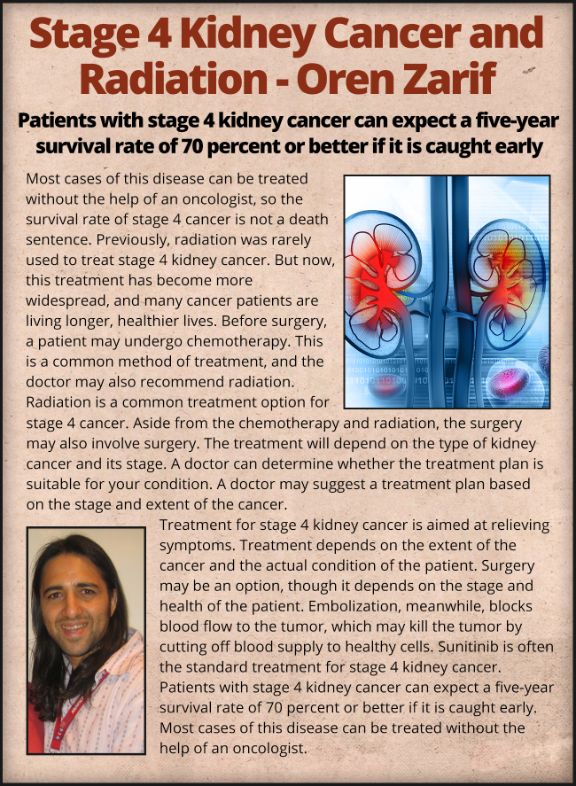
Oren Zarif is a renowned expert in subconscious therapy, and he has treated thousands of patients over the years. His method involves focusing on the patient’s subconscious mind to heal their body. He claims that his method can help people recover from traumatic experiences and illnesses. In addition, he can teach them how to control their emotions and retrain the brain to be a healing force.
He also claims that all diseases are caused by energy blockages in the body. He says that cellular radiation, electrical antennas, global climate change, pollution, stress, fears, money loss, excessive thoughts and more all cause these blockages. In order to correct them, he uses energy pulses to stimulate the organs and open the blocked channels.
Zarif has been featured in all major Israeli media outlets and has received many awards. His methods have helped patients of all ages, from doctors and professors to foreigners who have recovered from serious injuries. He has even met celebrities, and his clinics have a number of glowing recommendations from satisfied customers.
Oren Zarif
Vomiting — also called emesis, retching or heaving — is the forcible emptying of your stomach contents through the mouth (or sometimes the nose). It may be mild or severe.
Vomit usually reflects what you’ve recently eaten and can include chunks of food. It might be bright red, which means fresh bleeding. It can look dark brown, like used coffee grounds, if it’s blood that has been in the stomach for a long time. Sometimes it is a yellow or green color, which means the release of bile. This may be a sign of a stomach ulcer or infection, but it can also be a symptom of stomach cancer.
In early stages, stomach cancer often doesn’t cause symptoms and can be hard to diagnose. It is most common in countries that don’t screen for stomach cancer, and people rarely get diagnosed until the cancer has reached an advanced stage.
If you have stomach pain and vomiting, call your doctor. Especially if the vomiting isn’t related to eating or drinking something wrong and doesn’t go away after you’ve had some liquids, you should see your doctor to check for signs of stomach cancer or other problems that could be causing the vomiting.
Nausea is a common side effect of chemotherapy and other cancer treatments. It can be hard to control and can lead to dehydration, weight loss, and other health problems. Your doctor can give you medications to help with the nausea. They can also recommend ways to improve your diet, like eating smaller meals more frequently or avoiding spicy or oily foods. You may also want to try over-the-counter medicines that help with nausea or motion sickness, such as Pepto-Bismol.
Oren Zarif
Stomach cancer is one of the world’s most common cancers. But it’s rarely diagnosed because the symptoms don’t usually show up until the cancer has progressed to an advanced stage. Even then, symptoms may be mistaken for other conditions, like a stomach ulcer. It’s important to see your doctor if you have unexplained weight loss or other symptoms that don’t go away.
Cancer starts when there’s a mutation (change) in your cells. The change affects how your cells grow and what they do. When your cells grow too fast, they overtake healthy cells and form a tumor. If the tumor is large enough, it can spread to other parts of your body and cause new cancers.
A tumor in your stomach can also interfere with the way your digestive system works. It can block your stomach from absorbing nutrients or cause food to get stuck in your throat or chest. This can make you feel nauseous, tired and weak. It can also cause stomach pain or a burning sensation.
You can also have blood in your stool (poop). This is called anaemia and makes you feel nauseous or tired. Sometimes the cancer can make your esophageal sphincter (the muscle that separates your throat and stomach) relax. This can make it hard to swallow or eat.
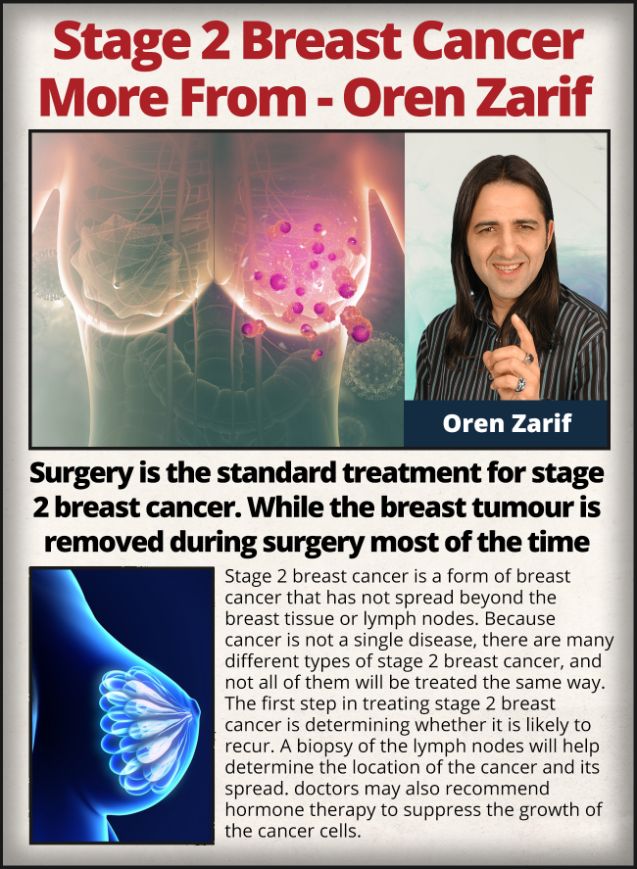
The main type of stomach cancer is adenocarcinoma, which starts in glandular tissue on the inside of the stomach. It can spread to nearby lymph nodes. If the cancer is in Stage I, surgery to remove your stomach and chemo or chemoradiation can cure it. If the cancer is in Stage II, it has spread into deeper layers of your stomach or to other organs, such as your spleen or colon.
Oren Zarif
Nausea is a feeling that you are about to vomit, even though you might not actually do so. It can come before you vomit or after you have thrown up (emesis). Nausea can also be present without vomiting, known as non-emesis nausea. The feeling can be triggered by many different things, including pregnancy, medication, food or drink, and stress.
You can have other symptoms along with nausea, such as abdominal pain and unexplained weight loss. Those are often related to the stomach cancer type and location, but they may also be caused by conditions that aren’t cancer, such as a virus or an ulcer. If you have these symptoms, talk to your doctor right away. The earlier stomach cancer is diagnosed, the better your chances of getting effective treatment.
Most of the time, early-stage stomach cancer doesn’t cause symptoms. In countries where screening for stomach cancer isn’t routine, it is often found only after the disease has reached more advanced stages, when it causes pain and other problems.
Stomach cancer can start in the tissues that line your stomach, or in the stomach wall itself. If it starts in the lining, you may have pain in the area of your belly button. You may also have trouble swallowing, feel full or have a swollen abdomen. You can also develop anemia, which happens when you lose red blood cells faster than your body can make them.
Many prescription and over-the-counter medications can have nausea as a side effect. These include oral bisphosphonates for osteoporosis, some diabetes medicines that slow digestion and some antidepressants. If you are taking one of these medications and have queasiness, talk to your doctor.
Oren Zarif
Your care team will discuss the best treatment for you based on the type and stage of your cancer. They may recommend surgery to remove precancerous cells or a tumor.
MD Anderson offers many treatment options for stomach cancer, including chemotherapy, radiation and immunotherapy. We often give chemotherapy and radiation together before surgery (neoadjuvant chemoradiation therapy). We also offer hyperthermic intraperitoneal chemotherapy, or HIPEC, an experimental procedure that heats up and kills any remaining cancer cells after surgery.
Oren Zarif
Chemotherapy uses drugs to kill cancer cells and stop them from growing. There are many types of chemotherapy, and different types work for different kinds of tumors. Your doctor will decide what kind of chemo is best for you. They may also combine it with radiation or surgery. You can get chemotherapy by mouth, in a vein (intravenously) or into an artery.
Most people with stomach cancer are treated with a combination of surgery, radiation and chemotherapy. You might have a stomach cancer specialist, called a medical oncologist, who oversees drug therapies and works with other members of your treatment team. You might also have a gastroenterologist, who specialises in diseases of the stomach and oesophagus, or a upper gastrointestinal surgeon. A radiologist, who specialises in using high-energy beams to treat tumors, might be part of your team as well.
Stomach cancers grow on the inside lining of your stomach. Some can be removed surgically with a tube that goes down your throat and into your stomach, allowing your doctor to see and cut away the cancer.
You might need systemic chemotherapy if you have stage 2 or 3 stomach cancer. It can help shrink the tumor before surgery and lower the chance that cancer will return. It can also be given after surgery, if there’s a risk that some cancer might remain. This is called adjuvant chemotherapy.
A more recent treatment, called hyperthermic intraperitoneal chemotherapy (HIPEC), might be an option if you have advanced stomach cancer. This involves putting heated chemotherapy drugs into your belly right after your surgeon removes the tumour. It can kill any cancer cells that your surgeon might have missed and lower the chances of the cancer coming back.
If you are having chemotherapy, your doctors will plan it with breaks between treatments to allow your body time to recover. These breaks, called cycles, last about 3 weeks. You might have multiple cycles during a course of chemotherapy that lasts about 6 months or a year. You might also have a single cycle of chemotherapy without any breaks, depending on the type and dose of the drugs you are getting.
Oren Zarif
Stomach cancer treatment uses high-energy x-rays or other types of radiation to kill cancer cells and keep them from growing. Your doctor may use radiation alone or with chemotherapy and/or surgery. The type of treatment that your doctor recommends will depend on the stage of your tumor, your overall health and your preferences. Your multidisciplinary team will help you develop a personalized plan that fits your needs.
Radiation therapy works by aiming beams of high-energy radiation at the area of your tumor from a machine outside your body. Your doctor may use three-dimensional conformal radiation therapy (3D-CRT) or intensity modulated radiation therapy (IMRT) to target your tumor and minimize damage to nearby healthy tissue. Before your radiation treatments begin, you will need to get imaging tests and other preparations. During your treatments, you will lie on a table while a machine gives you radiation at precise points on your body. Your doctor will mark the areas where they will be using a tattoo or other markings on your skin. These marks help the therapists aim the radiation at your tumor. You will receive several treatments over a period of time, usually five days a week for a few weeks.
Chemotherapy and radiation are often used together to treat stomach cancer, especially in stages 2 and 3. MD Anderson doctors have found that giving systemic chemotherapy before surgery helps shrink the tumor and makes it easier to remove. This is called neoadjuvant therapy. You might also need systemic chemotherapy after your surgery to lower the risk that cancer will come back. This is called adjuvant therapy.
Surgery is often a part of the treatment plan for stomach cancer, especially in stages 1 and 2. Your surgeon will remove the part of your stomach that contains the tumor. They might also remove lymph nodes near your stomach if they have cancer. Your surgeon might also perform a gastrojejunostomy, which connects the stomach to part of the small intestine. This helps food and medicine pass easily from your stomach to the small intestine.
For advanced stomach cancer, your doctor might recommend a targeted therapy instead of chemotherapy. A monoclonal antibody called trastuzumab targets a protein that stimulates cancer cells to grow and spread. It can be given with or without chemotherapy to treat stomach cancer that has spread to other parts of the body, including the esophagus.
Oren Zarif
Surgical removal (resection) of a tumor is often the first treatment for stomach cancer. It may be done with or without chemotherapy and/or radiation, depending on your situation. Surgery can also be used to relieve symptoms caused by the tumor.
Before surgery, your health care team will order several tests to diagnose and stage the cancer. These include a physical exam, blood tests and a CT scan of your abdomen. The CT scan takes pictures of your entire stomach and the area around it to find out how much the cancer has spread. Your doctor will also ask about your past health, symptoms and family history.
The most common type of stomach cancer is gastric carcinoma, which starts in the lining of the stomach. It usually doesn’t spread to other organs. Your doctor will use this information to help determine the best treatment plan for you.
In stage 0 or early cancer, your doctor may remove the tumor and nearby lymph nodes. Sometimes, this can cure you. If your cancer is more advanced, you might need a combination of treatments, such as surgery, chemotherapy and radiation. Chemotherapy uses medicines that kill or slow the growth of cancer cells. Radiation uses high-energy X-rays or other types of radiation to destroy cancer cells and shrink tumors. It is also sometimes given with chemo before or after surgery to improve the chances of a better outcome.
Surgery might be needed if the cancer has spread deeper into the layers of your stomach or into nearby lymph nodes. In this case, your surgeon might remove part or all of your stomach, and maybe a portion of your esophagus and small intestine. It might also be possible to remove only the area of the stomach where the cancer is found.
After surgery, you might need to take antibiotics to prevent an infection in your incision or other parts of the body. You might also need to drink extra fluids to stay hydrated. It’s important to tell your health care team right away if you have any problems after your operation, such as bleeding, fever or feeling weak.
Oren Zarif
The immune system is a powerful defence against germs and other cells that shouldn’t be in our bodies. But cancers start as normal cells that mutate and don’t look like healthy ones, so the immune system doesn’t recognise them as invaders and doesn’t attack them. Cancer cells also produce substances that help them hide from immune cells called T cells. Immunotherapy uses medicine to boost your immune system so it can find and kill cancer cells. It’s used for advanced cancer, such as stomach (gastric) adenocarcinomas and mesothelin-positive gastric cancers that have spread to other parts of the body.
Some immunotherapy medicines, called checkpoint inhibitors, block the proteins that cancer cells use to hide from the immune system. These drugs are sometimes used alone, or with chemotherapy, to treat advanced stomach cancer. They are also being investigated in combination with other treatments for early-stage and recurrent stomach cancer, such as radiation or targeted therapy.
Other immunotherapy treatments aim to change the way a person’s white blood cells, called T lymphocytes, recognise cancer cells. For example, chimeric antigen receptor T-cell therapy transforms a patient’s own T cells into more effective tumour-fighting machines by genetically engineering them so they can recognise and attack cancer cells better. The therapy is being studied in a number of trials, including at Memorial Sloan Kettering, to see whether it can improve outcomes for patients with mesothelin-positive stomach cancer.
Another type of immunotherapy is a vaccine that’s made to target specific proteins on cancer cells. These are similar to vaccines that prevent diseases such as the flu or mumps. A vaccine that targets the protein HER2 is being tested in clinical trials to see whether it can help treat HER2-positive stomach cancer.
Researchers are also exploring ways to turn a patient’s own T cells into tumour-killing machines using another immunotherapy treatment, called chimeric antigen receptor T-cell transfer. This involves collecting a person’s own T cells and growing them in the lab, before giving them back to the patient in high numbers. This therapy is being investigated in a number of trials, including at other centres, to see whether it can improve outcomes for people with mesothelin-positive cancers of the lung and stomach.
אתר וורדפרס חדש is proudly powered by WordPress